
Koreans in Uzbekistan: A Look Back at the Untold Side of History
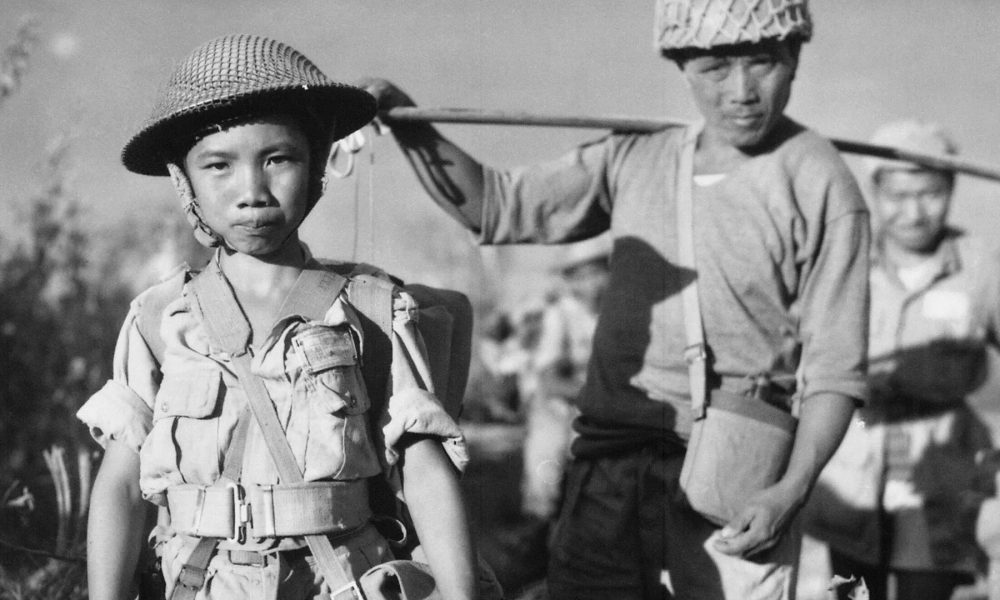
The story of Koreans in Uzbekistan is a fascinating chapter in world history, yet it remains largely untold. This tale begins in 1937 – during a turbulent period of global tension – when the Soviet Union forcibly relocated thousands of ethnic Koreans to the republics of Uzbekistan and Kazakhstan. Growing suspicions that these Koreans could be spies for the Japanese empire – combined with increasing xenophobia – led to a shocking mass deportation order from Soviet leader, Joseph Stalin.
For many, the idea of Koreans living in Central Asia seems surprising. How did they get there? Why were they targeted by the Soviet government? These questions offer a glimpse into the often-overlooked human impact of political paranoia, war, and survival.
The Mass Deportation of Koreans in Uzbekistan
Koreans in Uzbekistan trace their roots back to the mass deportations that took place under Stalin’s rule. Fearing that Koreans living near the Russian Far East might be collaborating with the Japanese, Stalin signed a decree in 1937 to forcibly relocate nearly 172,000 ethnic Koreans. Most were sent to Kazakhstan and Uzbekistan – far away from any potential influence from Japan.
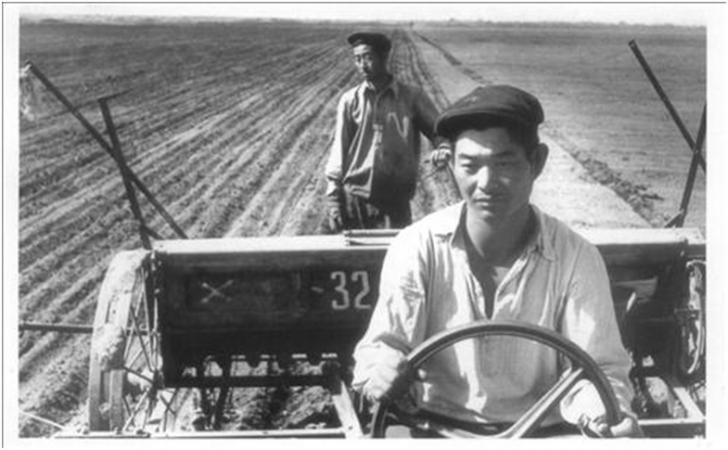
History / The agricultural expertise of the deported Koreans played a crucial role in transforming the barren lands into productive farmlands.
Upon arrival, Koreans faced harsh living conditions. They were dropped in unfamiliar, often inhospitable environments, without adequate housing, food, or resources. Despite these challenges, the Koreans in Uzbekistan showed incredible resilience.
Over time, they began to build new lives, forming tight-knit communities and contributing to the agricultural development of the region. Though they were forcibly removed from their homeland, their enduring spirit became a cornerstone of their survival and success.
Life in Uzbekistan
Life was tough for the Koreans in Uzbekistan in the early years of their deportation. The majority were placed in rural areas where they were expected to farm. However, the conditions were grueling. They lacked the necessary tools and familiarity with the Central Asian terrain.
During World War II, the Korean community faced further hardship, as the Soviet government tightened control and resources were scarce. Despite this, their contributions to agriculture helped supply food to the Red Army, strengthening their reputation as a hardworking and loyal community.
Over the years, Koreans became integral to Uzbekistan’s agricultural economy, particularly in growing rice, corn, and cotton, which were vital crops for the Soviet Union.
Cultural Identity and Adaptation
One of the most remarkable aspects of the Koreans in Uzbekistan is how they managed to maintain their cultural identity while adapting to their new surroundings. Despite being cut off from their homeland, they preserved their language, traditions, and customs.

AJ / Over time, Korean schools were established, and cultural festivals became an essential part of their community life. This was to ensure that future generations would not forget their roots.
However, integration into Soviet society also required some compromises. Many Koreans learned Russian and Uzbek to better assimilate into the local culture. Intermarriage between Koreans, Uzbeks, and other ethnic groups in the region became more common. As a result, the identity of Koreans in Uzbekistan became a blend of their Korean heritage and Central Asian influences, creating a unique cultural hybrid.
Despite these challenges, the Korean-Uzbek community continued to make remarkable contributions to the country’s development. Today, they are known for their success in various industries, including business, education, and the arts. The community is also actively engaged in preserving its cultural heritage, with organizations and cultural centers that promote Korean language education and traditions.
Today, there are approximately 177,270 South Koreans in Uzbekistan who are called Koryo-Saram.
More in Culture
-
`
 The Pop Culture Reference ‘Gilmore Girls’ Creator Refused to Cut
The fast-talking world of ‘Gilmore Girls’ has always stood out for its sharp dialogue and dense pop culture drops. From literature...
January 7, 2026 -
`
 This Celebrity Burger Brand Is Hitting the Road With Food Trucks
Food trucks have revolutionized the restaurant scene, providing a flexible way to reach hungry customers without the high costs associated with...
December 31, 2025 -
`
 12 Must-Visit Stops on a Vancouver–Seattle Road Trip
Embarking on a road trip from Vancouver to Seattle is more than just a drive—it’s a journey through some of the...
December 25, 2025 -
`
 What 2025’s Green Investment Boom Means for the Global Economy
The global economy in 2025 has reached a defining moment. Green investment is no longer a niche interest but a driving...
December 16, 2025 -
`
 How to Turn Business Values into Real Workplace Culture
Every company loves to talk about its values, those bold statements displayed on office walls, websites, and annual reports. Yet too...
December 10, 2025 -
`
 NYC Business Leader Slams Mamdani’s Corporate Tax Rise as ‘Absolute Suicide’
The incoming head of New York City’s leading business organization has issued a bold warning against Mayor-elect Zohran Mamdani’s proposed corporate tax...
December 3, 2025 -
`
 Maui vs. Oahu | Which Island Is Perfect for a Family Vacation?
Planning a family vacation to Hawaii often comes down to one big decision: Maui or Oahu? Both islands offer kid-friendly beaches,...
November 26, 2025 -
`
 Why Companies Should Engineer Culture, Not Just Manage It
Corporate culture is often discussed but rarely understood in its true form. It’s not a set of posters on walls or...
November 11, 2025 -
`
 Rihanna’s Net Worth Drops After Failed Luxury Brand Collaboration
Rihanna has always been a trendsetter, but not every business move hits the mark. The pop icon reportedly faced a major...
November 4, 2025
More From Todaysnyc
-
 NYU Commencement Speech Sparks Dispute Over Cancel Culture Critic
A planned commencement address at New York University has sparked a heated campus dispute, placing scholar Jonathan Haidt at the center...
CultureMay 28, 2026 -
 McDonald’s CEO Warns K-Shaped Economy May Be Getting Worse
America’s uneven economy continues to shape how people spend, and Chris Kempczinski says the pressure is becoming harder to ignore. During...
BusinessMay 21, 2026 -
 Sicily Travel Guide: Palermo, Catania, Taormina — And Cannoli
Sicily sits at the heart of the Mediterranean, just a narrow two-mile strait away from mainland Italy and about 87 miles...
Luxury & Life StyleMay 12, 2026 -
 Humans May Soon Live and Work on the Moon, Says Space Tech CEO
The idea of humans living beyond Earth is moving from speculation to near-term planning. According to space industry leaders, the Moon...
TechMay 6, 2026 -
 This 100,000-Year-Old Cave Reveals a Shared Life Between Humans and Neanderthals
Roughly 100,000 years ago, a cave in the Levant became home to an unexpected social experiment. Evidence from Tinshemet Cave shows...
CultureApril 30, 2026
You must be logged in to post a comment Login