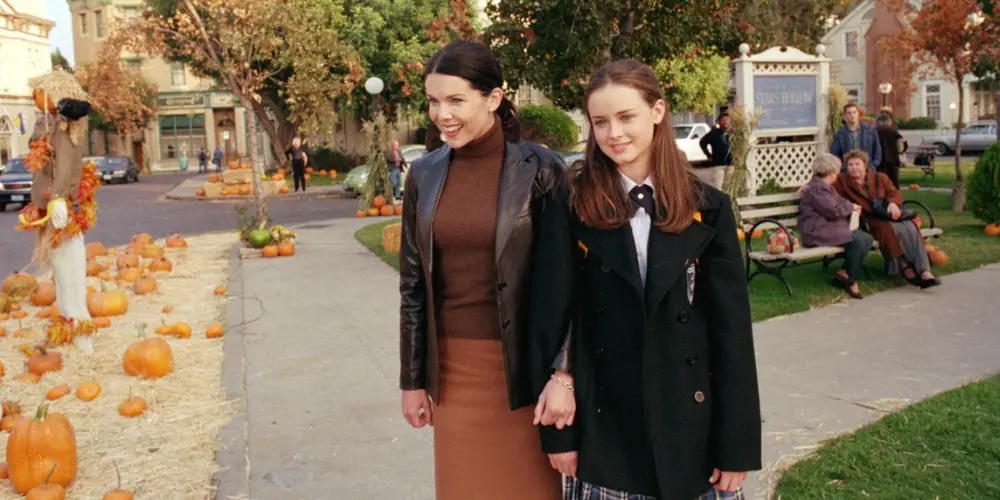
The fast-talking world of ‘Gilmore Girls’ has always stood out for its sharp dialogue and dense pop culture drops. From literature to music history, the show rarely slowed down to explain its references. That approach almost cost one specific name in season one, but creator Amy Sherman-Palladino refused to let it go. Years later, that decision still explains why the series feels so distinct.
In an October 2025 interview with The Hollywood Reporter, Amy Sherman-Palladino shared a behind-the-scenes account of a standoff with Warner Bros. The issue centered on a mention of Oscar Levant, the late concert pianist and cultural figure, in a season one episode.
The studio pushed hard for the line to be cut. Their concern was simple: audiences might not recognize the name. Sherman-Palladino disagreed.
“They were desperate for me to take it out, and I said, ‘Why?’ They’re like, ‘Nobody knows who Oscar Levant is.’ I thought, there are four gay kids in Iowa right now who know who Oscar Levant is (laughs), and it’s for those four kids. And in the next page, there’s a Justin Timberlake thing for everyone who doesn’t know who Oscar Levant is,” she told the publication.
That balance mattered. One reference rewarded a smaller audience, while another landed with the mainstream viewer. The line stayed.
Scripts That Didn’t Match Expectations
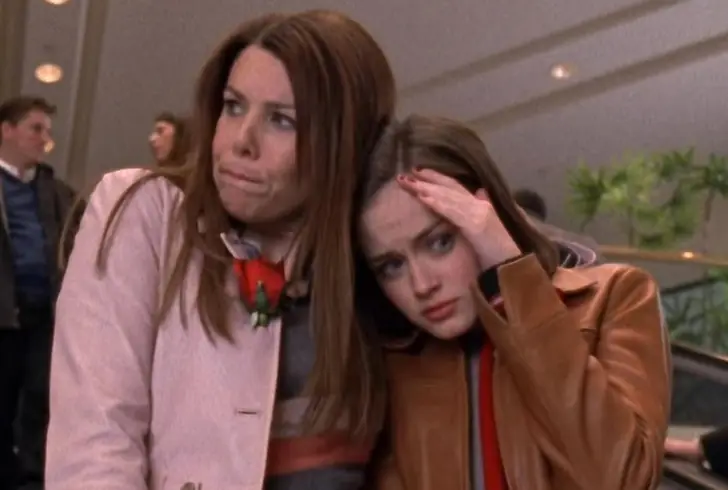
The Oscar Levant moment reflected a bigger disconnect. According to Sherman-Palladino, Warner Bros. struggled with the show’s tone from the start.
“It wasn’t soapy enough for them. There were too many pop culture references that they didn’t understand. At every turn, we were not necessarily what they wanted or what they thought they needed,” she said.
She also noted that a series like ‘Gilmore Girls’ would face serious resistance today.
“It was a different time. Today, a Gilmore Girls would not get on the air. No way, no how.”
Why the Scripts Were So Long
The show’s writing style created another challenge: length. During the same Hollywood Reporter conversation, Sherman-Palladino explained that the scripts regularly ran far beyond standard television formatting.
On average, about 80 pages were filmed over eight days, which meant nearly 10 pages had to be shot each day. This intense schedule unfolded without any hiatuses or extended breaks, all while maintaining a full 22-episode season.
“We were shooting 80 pages in eight days… I don’t know how we did it,” she recalled.
The Physical Toll on the Cast
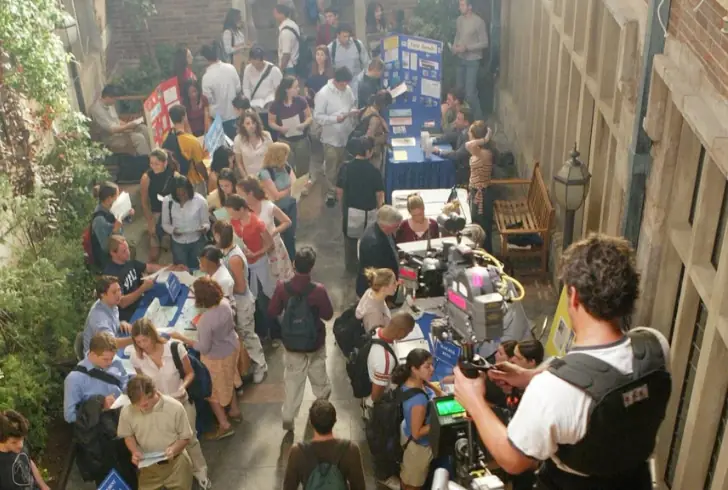
That pace took a visible toll on the actors, especially Alexis Bledel and Lauren Graham, who played Rory and Lorelai Gilmore.
“By Christmas… Lauren and Alexis’ eyes were so huge from lack of sleep and from the constant workload that I kind of thought they were going to kill me,” Sherman-Palladino said.
The demanding style included rapid-fire dialogue, extended walk-and-talk scenes, and minimal coverage, all filmed under tight time and budget limits.
Lauren Graham Confirms the Script Reality
Lauren Graham expanded on the experience during a February 2025 panel at the ATX TV Festival, where she appeared alongside Sherman-Palladino.
“They were at least 20 pages longer than a regular one-hour show. A regular show is about 60 pages, and ours were regularly 85,” Graham said.
As the seasons progressed, the scripts only grew.
“We almost never cut anything… we used them all, we just had to speed it up.”
That speed became contagious.
“By the end, every single person in the town was like, on whatever that thing is, it makes you talk fast,” Graham joked.
The Oscar Levant line remains a small but telling detail. It shows how ‘Gilmore Girls’ trusted its audience, valued specificity, and chose character-driven writing over broad appeal. The show’s rhythm, references, and relentless pace weren’t accidents. They were decisions defended line by line, even when the pressure to simplify was intense.