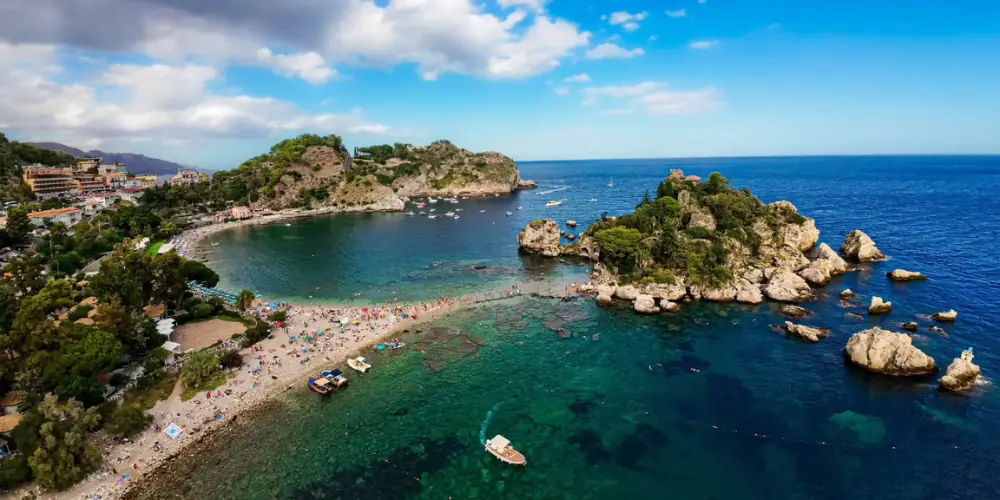
Sicily sits at the heart of the Mediterranean, just a narrow two-mile strait away from mainland Italy and about 87 miles from the African coast. This positioning shaped a destination layered with cultures, flavors, and architecture that span centuries.
Ancient Greek temples stand near Roman ruins, while Arab-Norman influences shape churches and palaces. Rolling countryside meets a rugged coastline, and Mount Etna rises more than 11,000 feet on the eastern side, casting a powerful presence over daily life.
For centuries, Sicily has drawn travelers seeking history, food, and a strong sense of place. Three cities define much of that experience—Palermo, Catania, and Taormina. Each offers a distinct character, yet all share deep cultural roots and a connection to local life that goes beyond surface-level sightseeing.
Palermo
Palermo, the capital of Sicily, carries over 2,700 years of history. Its identity comes from a long sequence of rulers and influences—Phoenician, Greek, Roman, Visigoth, Arab, Norman, French, Spanish, and eventually Italian. This mix appears in architecture, language, and daily routines.
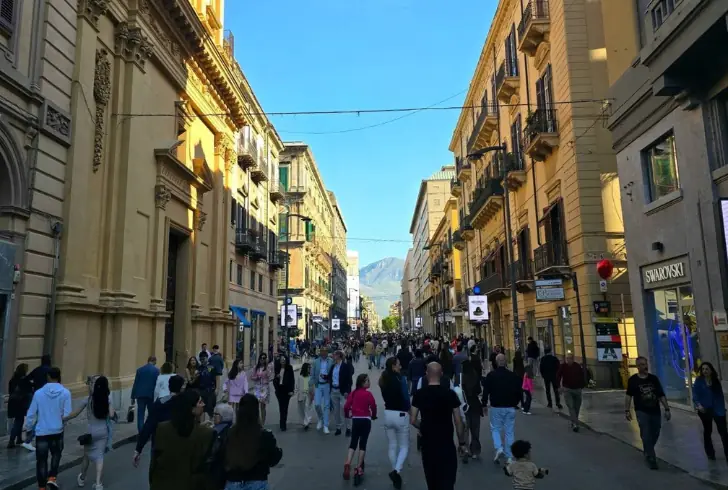
Despite being smaller than Manhattan, Palermo matches it in energy and diversity. Streets feel active and lived-in, with a mix of old structures and ongoing investment. The historic district stands out, especially along Via Maqueda, a central road redesigned as a pedestrian-only corso. This stretch runs nearly three-quarters of a mile from the sea to the Norman Cathedral, creating a space filled with shops, performers, and local activity.
The city’s spirit shows in its public spaces and cultural landmarks. The Palatine Chapel, located inside the Palazzo Reale, features Byzantine mosaics dating back to the 1160s. Its intricate gold interiors reflect a blend of artistic traditions. Not far away, Monreale Cathedral continues that visual language with detailed mosaic work that covers vast surfaces.
Another focal point is Teatro Massimo, one of Europe’s largest opera houses. Its grand design anchors a busy piazza where locals gather throughout the day. Palermo also offers easy access to the sea. Mondello Beach, only four miles from the city center, provides a quick coastal break with clear water and a relaxed setting.
Food in Palermo connects directly to its surroundings. Many restaurants source ingredients from nearby farms and markets. Fresh produce, seafood, and citrus dominate menus, often prepared using techniques shaped by Arab influence. Sweet and sour combinations appear frequently, especially in dishes that mix raisins, citrus, and savory elements.
Catania
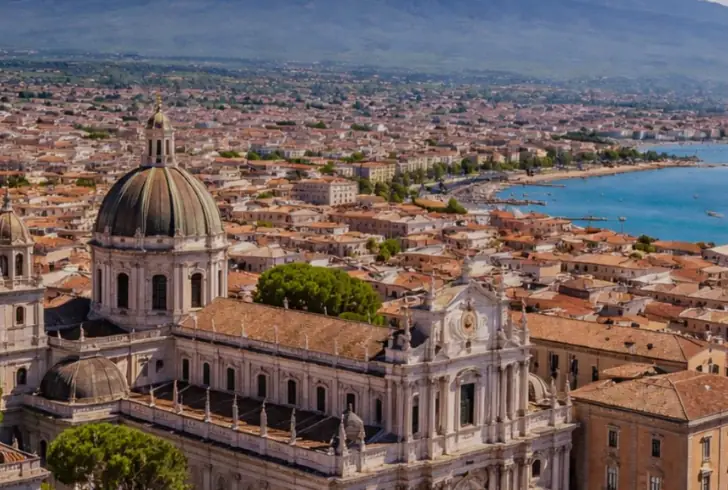
Catania presents a different mood. Built largely from dark volcanic stone, the city earned the nickname “The Black City.” This material comes from Mount Etna, which sits about 30 miles away and remains an active presence in daily life.
While Palermo feels layered and historic, Catania moves with a youthful rhythm. A large university population brings energy to its streets, and public squares fill with people dining and socializing, especially in the evenings. The comparison often made places Catania as a counterpart to larger, more dominant cities—yet its personality stands on its own.
Food plays a central role here. Many locals claim Catania serves the best cuisine in Sicily, and the fish market supports that argument. Operating six days a week, except Monday mornings, the market reflects a direct connection between fishermen and consumers. Small boats head out with two or three people, returning with daily catches that go straight onto ice-filled tables for sale.
Seasonality matters. Bluefin tuna appears only between mid-May and mid-June, when it spawns near the coast. Alongside it, smaller fish like mullet, sardines, and fresh anchovies form a regular part of meals. These options are often lower in mercury and widely used in traditional recipes.
One dish that highlights the region’s simplicity is fritto misto di mare. This mixed fried seafood plate includes calamari, small whole fish, and shrimp, often served with nothing more than fresh lemon. That lemon carries its own history. Though originally from Valencia, lemons became a major Sicilian export in the 1800s, shipped to the United States through New Orleans.
Cannoli and the Story Behind the Sweet
Cannoli stands as one of Sicily’s most recognized desserts. Its origins trace back to convent kitchens, where cloistered nuns experimented with pastry and ricotta. The result is a crisp shell filled with sweetened ricotta, often finished with pistachios or candied fruit.
In certain areas, the preparation still follows traditional methods. In the Albanian-influenced region south of Palermo, known for its Arbëreshë heritage, cannoli production reflects a blend of cultures. Settled in the 1500s by refugees fleeing Ottoman expansion, this community developed its own language, combining Sicilian, Italian, and Albanian elements.
Local farms continue to produce fresh ricotta using milk from cows and sheep raised on-site. Some barns date back to the year 1100, adding a historical dimension to the process. Meals in these areas often include whatever is available that day, ending with cannoli that can reach seven or eight inches in length.
Taormina
Taormina sits along Sicily’s eastern coast, offering sweeping views of the Ionian Sea. Its position above the shoreline creates a striking visual setting, with terraces, narrow streets, and historic structures arranged along the hillside.
One of its most notable landmarks is the ancient Greek theater. This site continues to host performances, connecting modern audiences with a space that dates back thousands of years. The town itself attracts visitors year-round, though summer months bring the highest crowds due to beach access and cultural interest.
The recent popularity of the TV series “The White Lotus” added another layer of attention. The show’s second season filmed in Taormina, increasing global visibility and drawing new visitors curious about its setting.
Historically, Taormina served as a gathering place for artists and writers. In the 1800s, it became known as a safe environment for creative individuals, including Oscar Wilde and Johann Wolfgang von Goethe. This background contributes to the town’s distinctive atmosphere, shaped by both artistic expression and historical depth.
Accommodations in the area often reflect long-standing traditions. One example includes a family-run hotel that has operated for five generations. During World War II, occupying forces took control of the property—first German troops, then British forces. After the war, the original owners faced financial challenges in reclaiming it. Local residents contributed funds to help restore ownership, allowing operations to continue under the same family.
Taormina also serves as a convenient base for exploring eastern Sicily. Mount Etna lies about 20 minutes away, while Catania is roughly 40 minutes by car. Siracusa can be reached in about 90 minutes. This accessibility makes it possible to experience multiple regions without long travel times.
Culture Through Connection and Life
Across all three cities, a consistent theme appears—connection to people and place. Time spent in Sicily often goes beyond visiting landmarks. It includes conversations with farmers, meals prepared with locally sourced ingredients, and moments shared in small towns and urban neighborhoods alike.
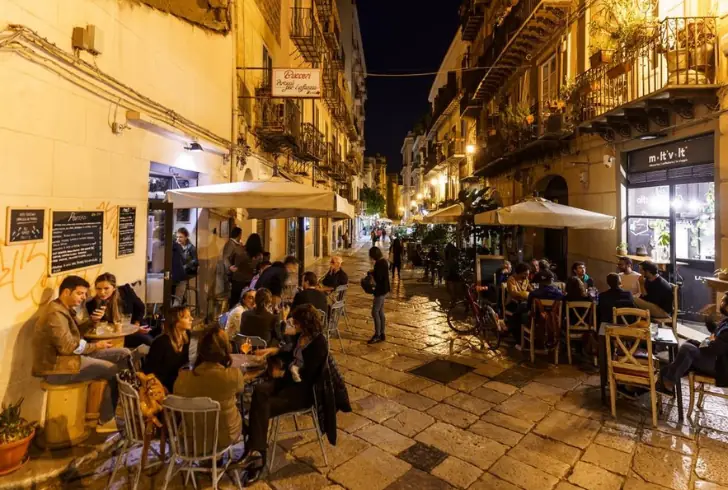
In many areas, social life centers around local bars and gathering spots where residents meet daily. These spaces function as informal hubs where stories, traditions, and news circulate. Family ties remain strong, and hospitality plays a visible role in how visitors experience the region.
Agriculture continues to influence daily routines. Many ingredients used in restaurants come directly from nearby farms. This close relationship between production and consumption shapes both flavor and quality.
The Role of Geography and History
Sicily’s geographic position influenced its long history of conquest and cultural exchange. Each group that settled on the island left a mark, creating a blend that remains visible today. Architecture, language, and food all reflect this layered past.
Mount Etna adds another dimension. As one of the world’s most active volcanoes, it affects soil quality, agriculture, and even construction materials. The volcanic rock used in Catania’s buildings serves as a direct example of how natural forces shape urban design.
Meanwhile, coastal access supports fishing industries that supply fresh seafood to local markets. This connection between land and sea defines much of Sicily’s identity.
Sicily continues to attract attention because it offers more than scenic views or historical landmarks. Palermo presents a city shaped by centuries of influence and ongoing activity. Catania delivers energy, strong food traditions, and a direct link to Mount Etna. Taormina combines coastal beauty with cultural depth and artistic history.
Each destination reveals a different side of the island, yet all share a connection to tradition, community, and everyday life. From ancient mosaics to fresh seafood markets and handmade cannoli, Sicily presents a complete experience shaped by time, geography, and people.