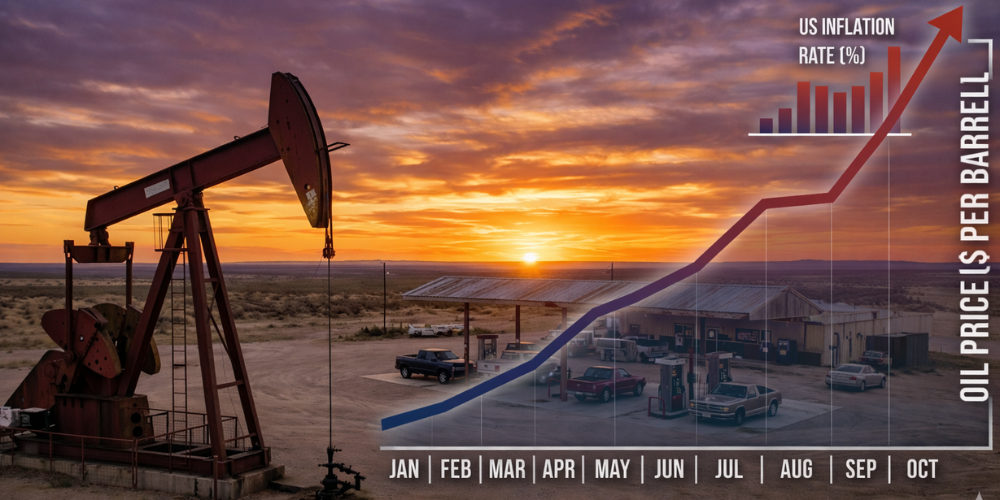
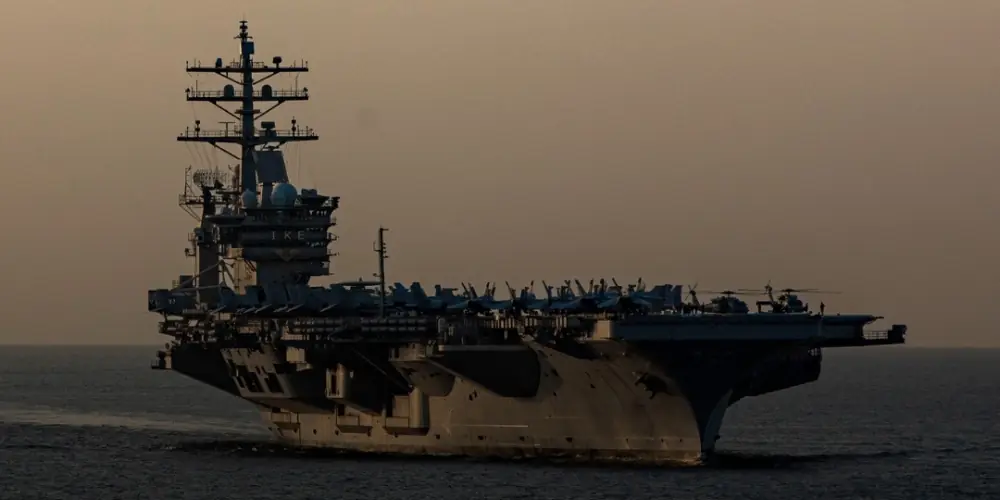
Tensions around the Strait of Hormuz have taken a new turn as Iran signals tighter control over one of the world’s busiest oil routes. During a proposed two-week ceasefire, the country plans to impose cryptocurrency-based tolls on oil tankers while closely monitoring maritime traffic.
The move adds a new layer of complexity to an already fragile geopolitical situation, with global shipping, oil markets, and diplomatic efforts all caught in the middle.
Iran intends to charge oil tankers a transit fee for passing through the Strait of Hormuz. According to Hamid Hosseini, spokesperson for Iran’s Oil, Gas and Petrochemical Products Exporters’ Union, each vessel must undergo inspection before approval.
The process is designed to ensure that no weapons are transported during the ceasefire period. Hosseini explained that every ship must be reviewed, stating that Iran is in no hurry and will take time to assess each case.
Tankers will need to submit cargo details via email. Once authorities complete their review, they will assign a toll. The fee is set at $1 per barrel of oil, while empty vessels can pass without charge.
A key detail stands out: payments must be made in cryptocurrency, specifically bitcoin. Ships will have only seconds to complete the transaction. This short window is intended to prevent tracking or seizure linked to international sanctions.
Increased Surveillance and Route Control
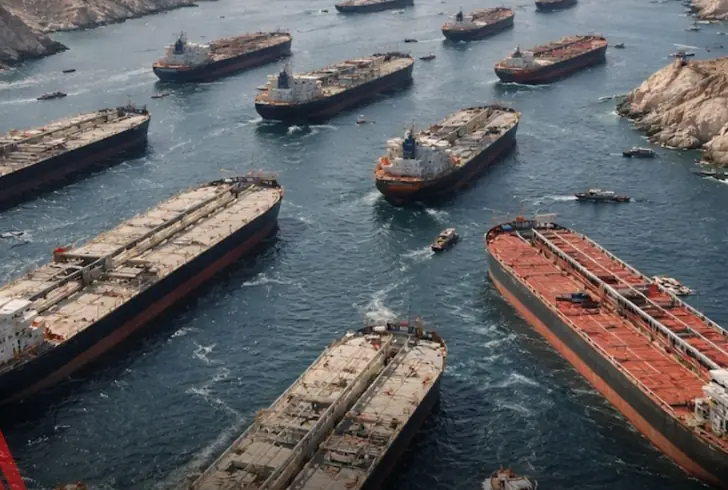
Iran is also expected to direct vessels to use a northern route close to its coastline. This requirement raises concerns among Western and Gulf-linked shipping operators, who may hesitate to comply due to security risks.
Hosseini emphasized the importance of monitoring traffic through the strait, noting that all movement must be accounted for during the ceasefire. While passage is technically allowed, delays are likely due to inspection procedures.
Later developments added more uncertainty. Iran announced a halt to oil tanker transit through the Strait of Hormuz following Israeli strikes on Lebanon. This decision came shortly after initial discussions about regulated passage.
At the same time, vessels operating in the Gulf received radio warnings. The message, broadcast in English, stated that any ship attempting to pass without approval could face military action. The warning was direct: unauthorized vessels risk being destroyed.
Ceasefire Talks and Strategic Pressure
The status of the strait remains a central issue in ongoing ceasefire negotiations. Iran seeks to maintain influence over the waterway, while the United States and its regional allies push for unrestricted access.
US President Donald Trump stated that any ceasefire agreement depends on Iran ensuring the “complete, immediate, and safe opening” of the Strait of Hormuz. This condition highlights the global importance of uninterrupted oil flow.
Iran’s Supreme National Security Council has outlined negotiation terms, including a new protocol for secure passage coordinated with its armed forces. These measures suggest Iran aims to formalize its oversight rather than step back from control.
Shipping Industry Response and Market Impact
Shipping companies are responding with caution. Many operators are waiting for clear guidelines before resuming transit. Maersk, the world’s second-largest shipping company, stated that it is working urgently to understand the situation but has not resumed normal operations.
The company noted that while the ceasefire could create opportunities, it does not guarantee safe passage. As a result, cargo movement remains limited.
Meanwhile, a significant backlog is building. Around 175 million barrels of oil and refined products are currently loaded onto 187 tankers in the Gulf. Estimates suggest that between 300 and 400 ships are waiting to exit, creating what one industry executive described as a “car park” scenario.
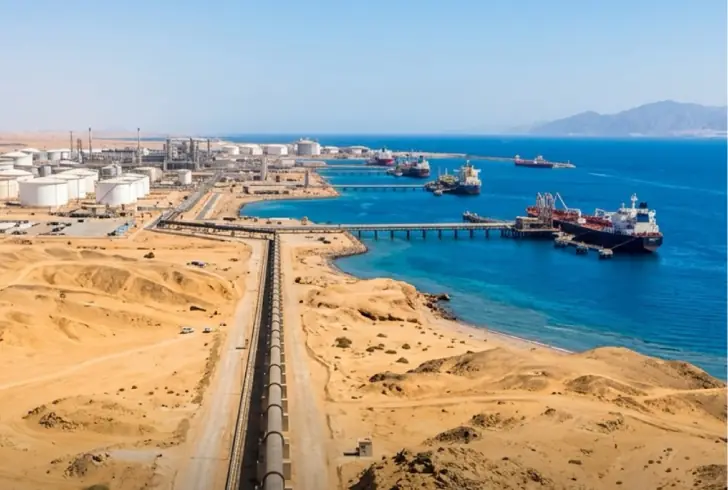
Before the conflict, approximately 135 ships passed through the strait daily. Now, only 10 to 15 vessels may be able to transit each day due to inspection delays and security concerns.
Gulf nations, including Saudi Arabia, Qatar, and the UAE, strongly oppose any arrangement that gives Iran control over the strait. Saudi-linked commentator Ali Shihabi described such control as a “red line,” stressing the need for uninterrupted access to global markets.
The situation also raises concerns within OPEC+. Analysts warn that if Iran gains leverage over the strait, it could influence or even restrict exports from rival member states.
Adding to the tension, Saudi Arabia’s East-West pipeline was reportedly hit by a drone despite the ceasefire, showing that risks remain high across the region.
Limited Passage and Selective Approvals
Recent patterns suggest that only a small number of vessels receive approval to pass. These are often ships with prior business ties to Iran and no connections to the US, Israel, or Gulf states involved in regional conflicts.
Traders expect this selective system to continue in the short term. However, clearing the backlog within two weeks appears unlikely due to the slow and detailed inspection process.
The Strait of Hormuz remains at the center of global energy security, and Iran’s latest approach reflects a careful balance between control and negotiation leverage. By introducing cryptocurrency tolls, strict monitoring, and route restrictions, Iran is asserting its position while keeping the passage technically open.
At the same time, resistance from global powers and regional players adds pressure to reach a broader agreement. With hundreds of ships waiting and oil markets closely watching, the next steps in this situation will carry significant economic and political weight.